
Nestled in the heart of the rainforest
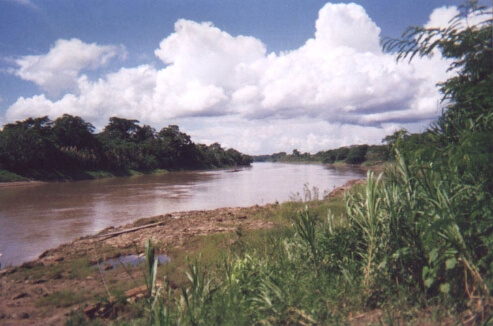
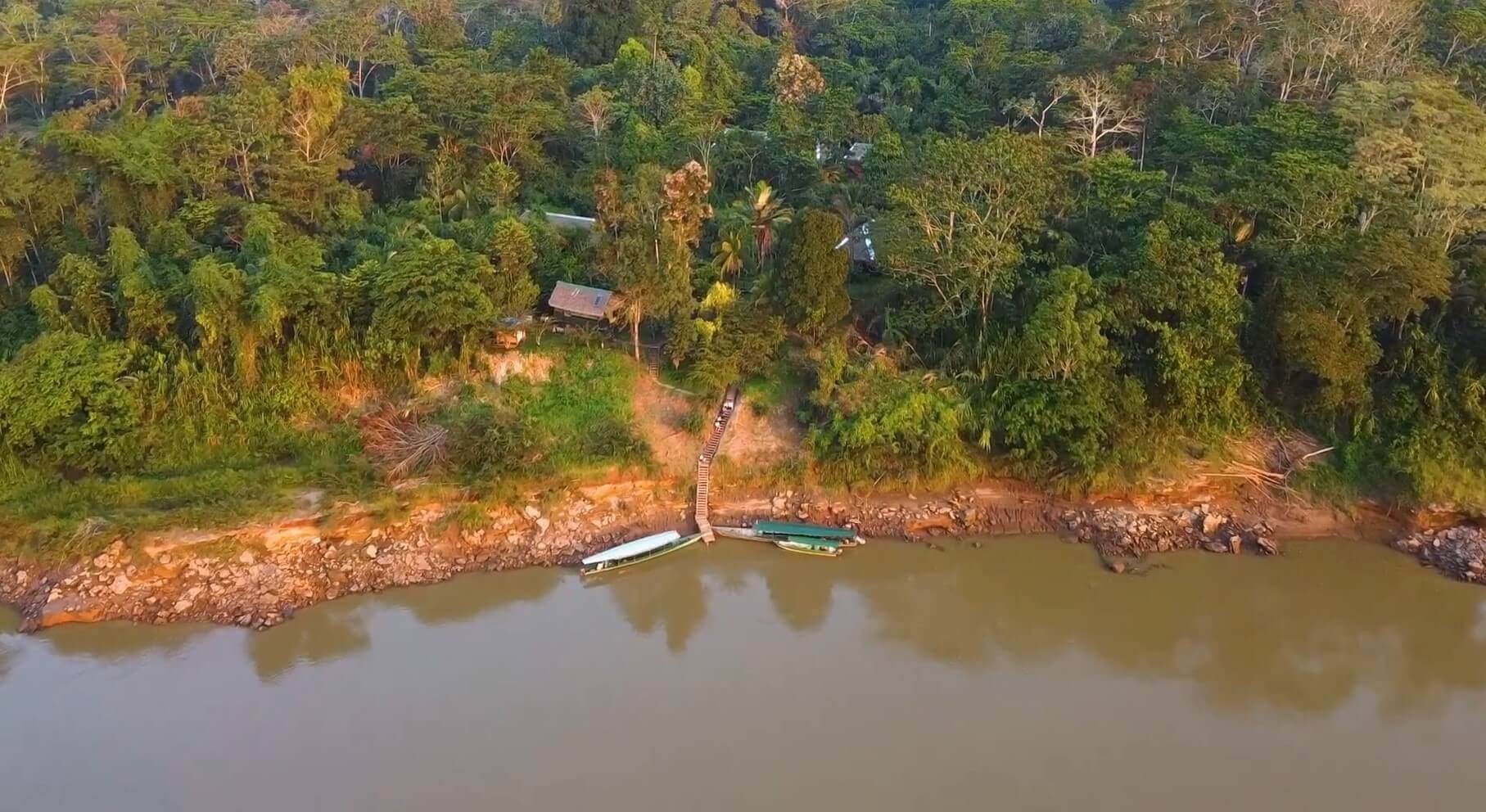
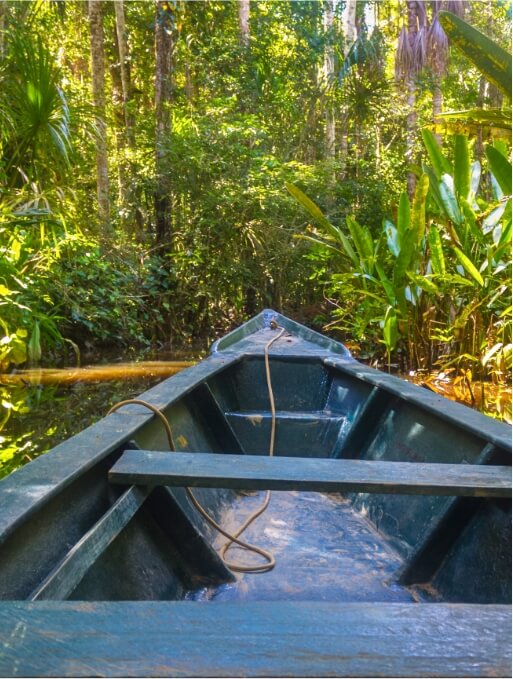
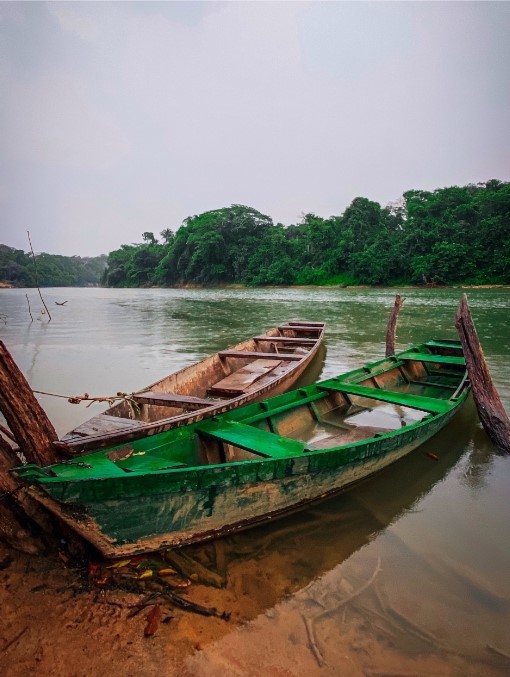
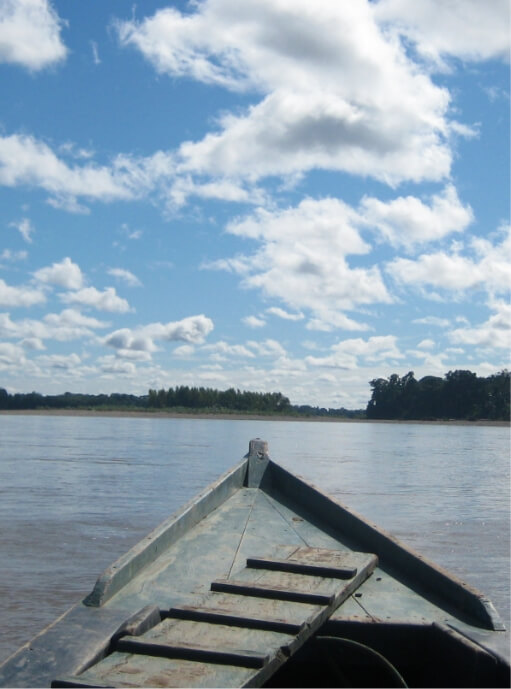
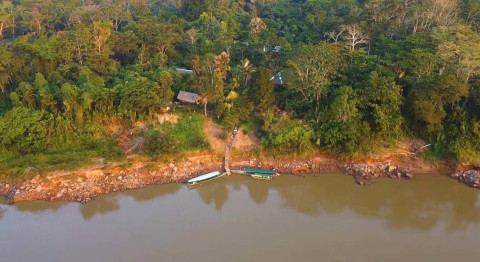
Cayman Lodge Amazonia in Peru, located near the Tambopata Reserve, is nestled in the heart of the rainforest in the Madre de Dios region, near Puerto Maldonado, the biodiversity capital of Peru. Embark on an unforgettable journey.

In the heart of Amazonian nature
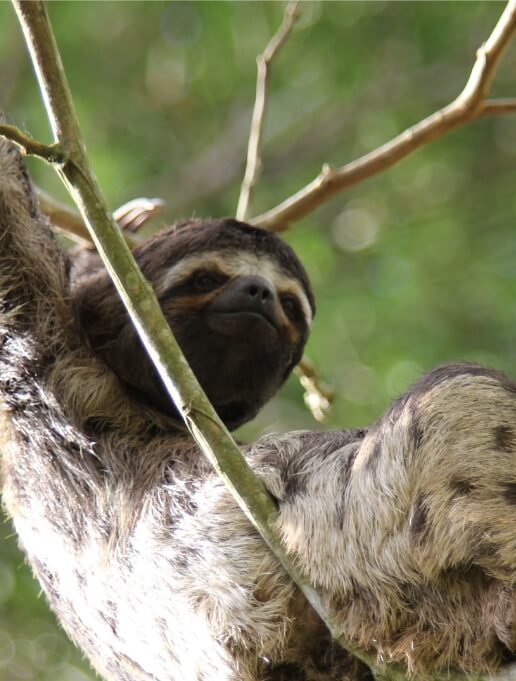
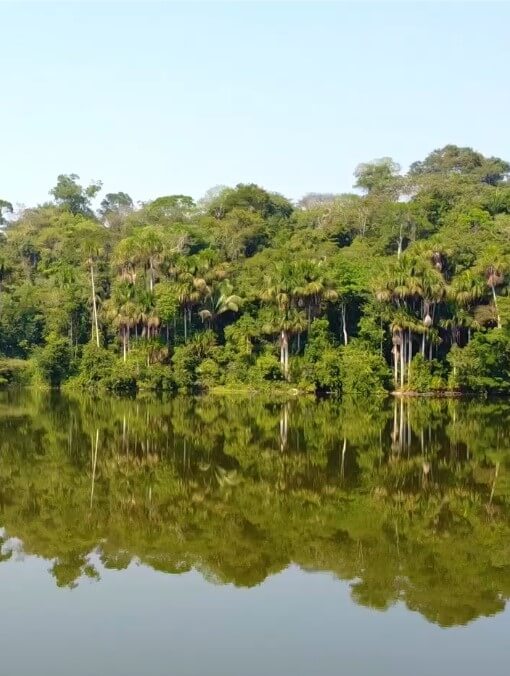
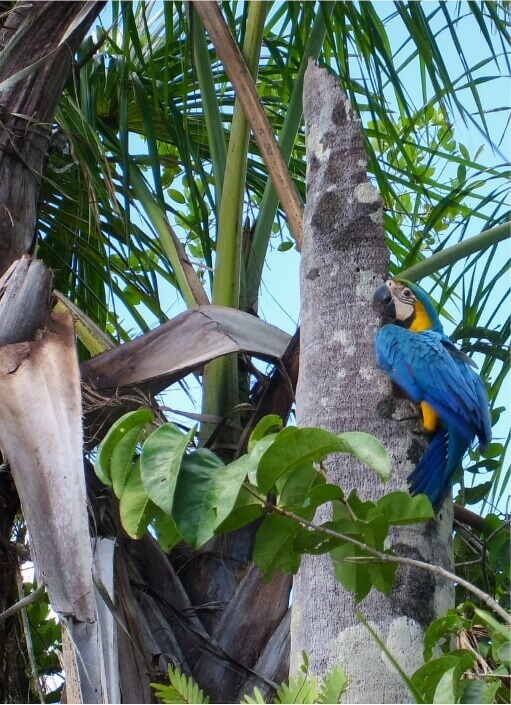
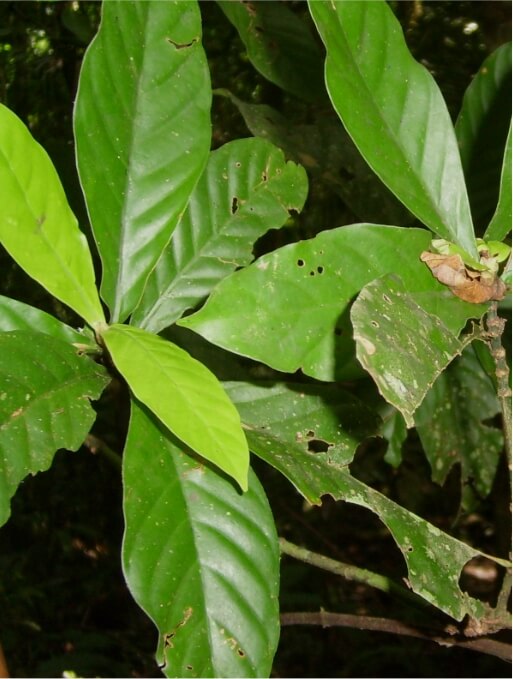
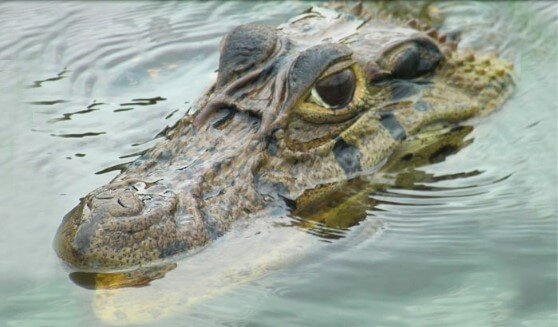
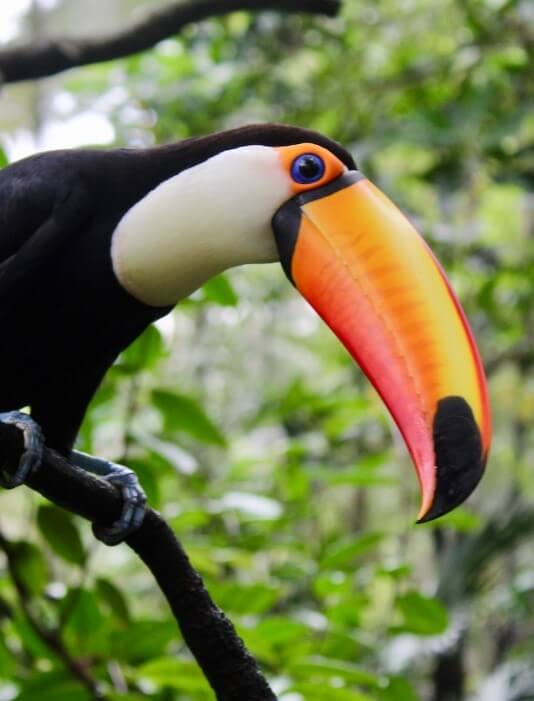
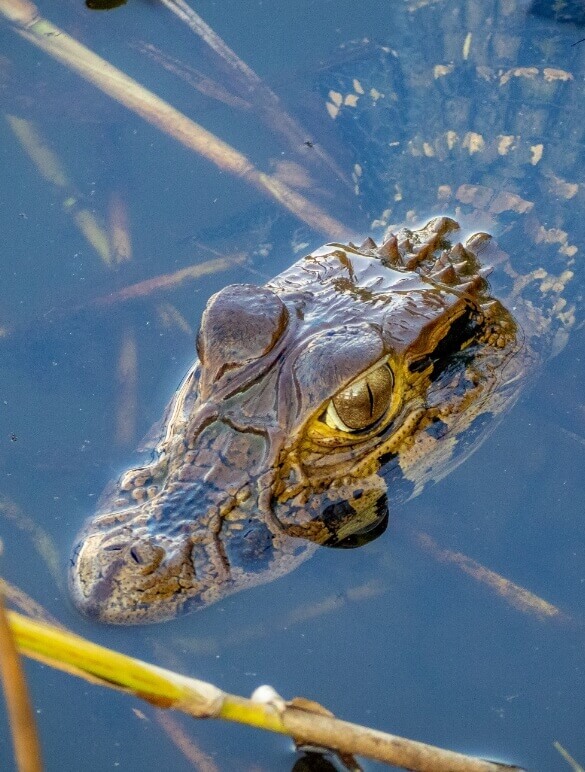
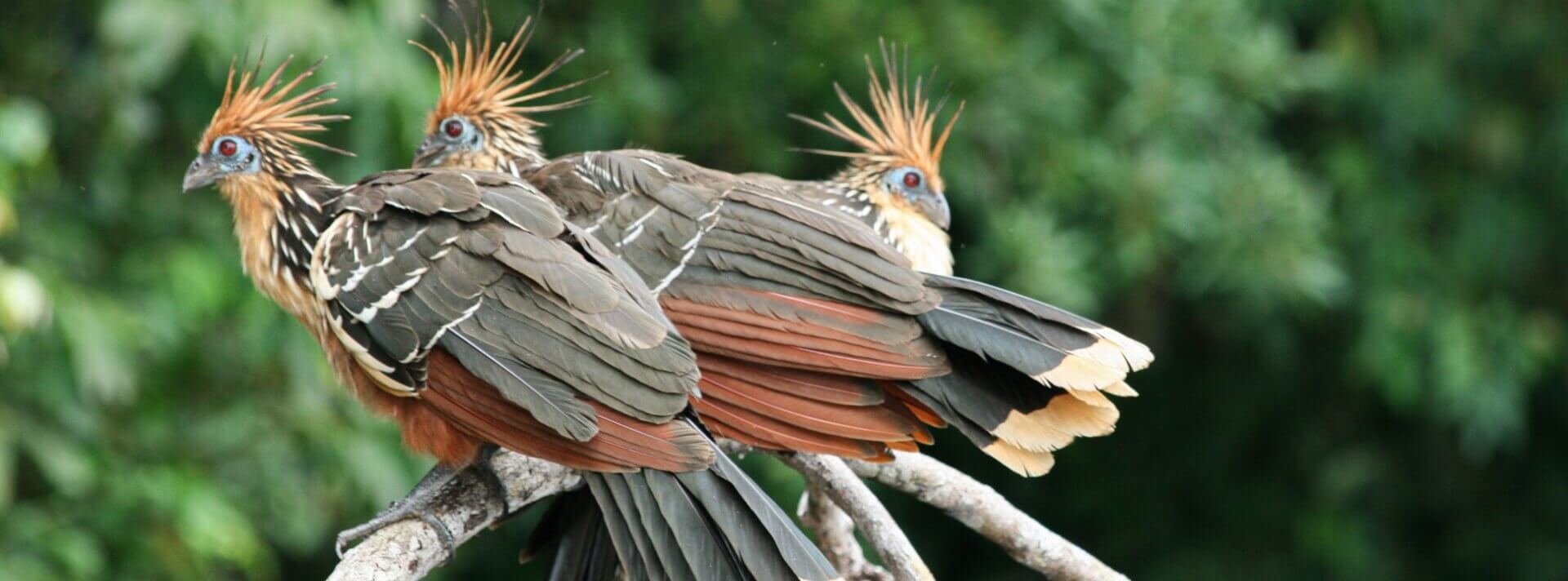
The accommodation in our Lodges will offer you total immersion in the heart of Amazonian nature. Your stay in the Amazon in lodges will be an incredible experience that will allow you to discover the beauty and the exceptional richness of the fauna and flora of the largest tropical forest in the world.

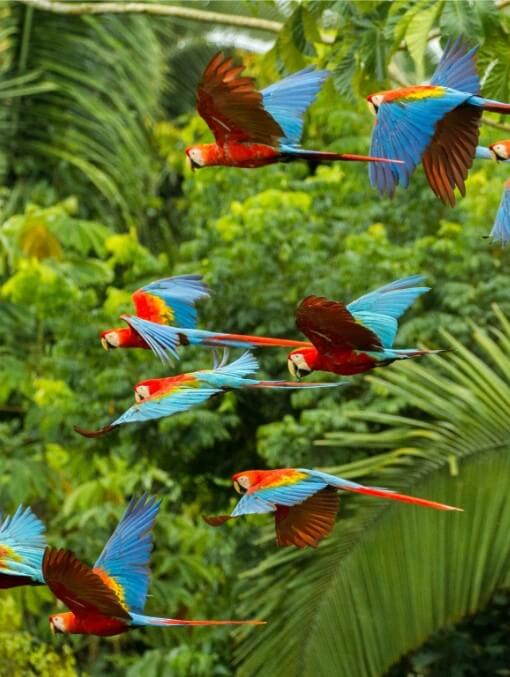
The unique biodiversity
Tambopata est une réserve naturelle située dans la région de Madre de Dios, réputée pour sa biodiversité unique.
 TAMBOPATA NATIONAL RESERVE
Amazonia
DISCOVER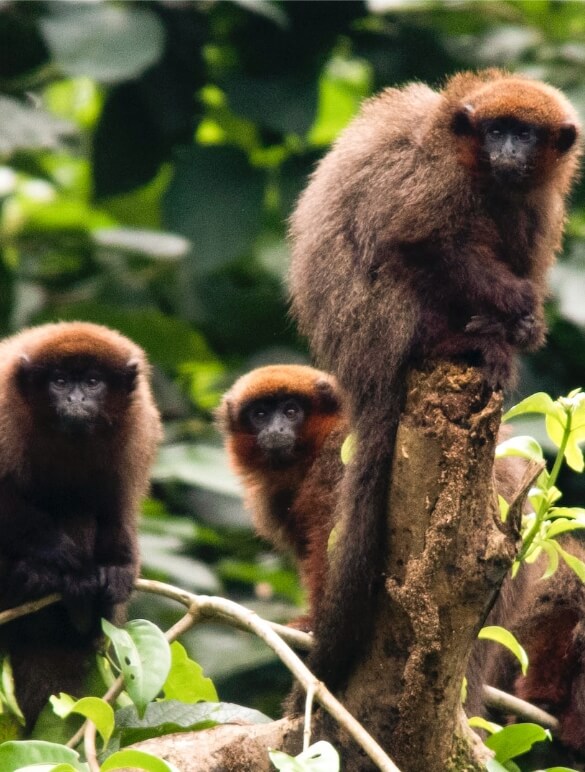
Responsible ecotourism
Committed to responsible ecotourism, Cayman Lodge Amazonia ensures minimal environmental impact, supports local communities, and contributes to forest conservation.
DISCOVER
AMAZON